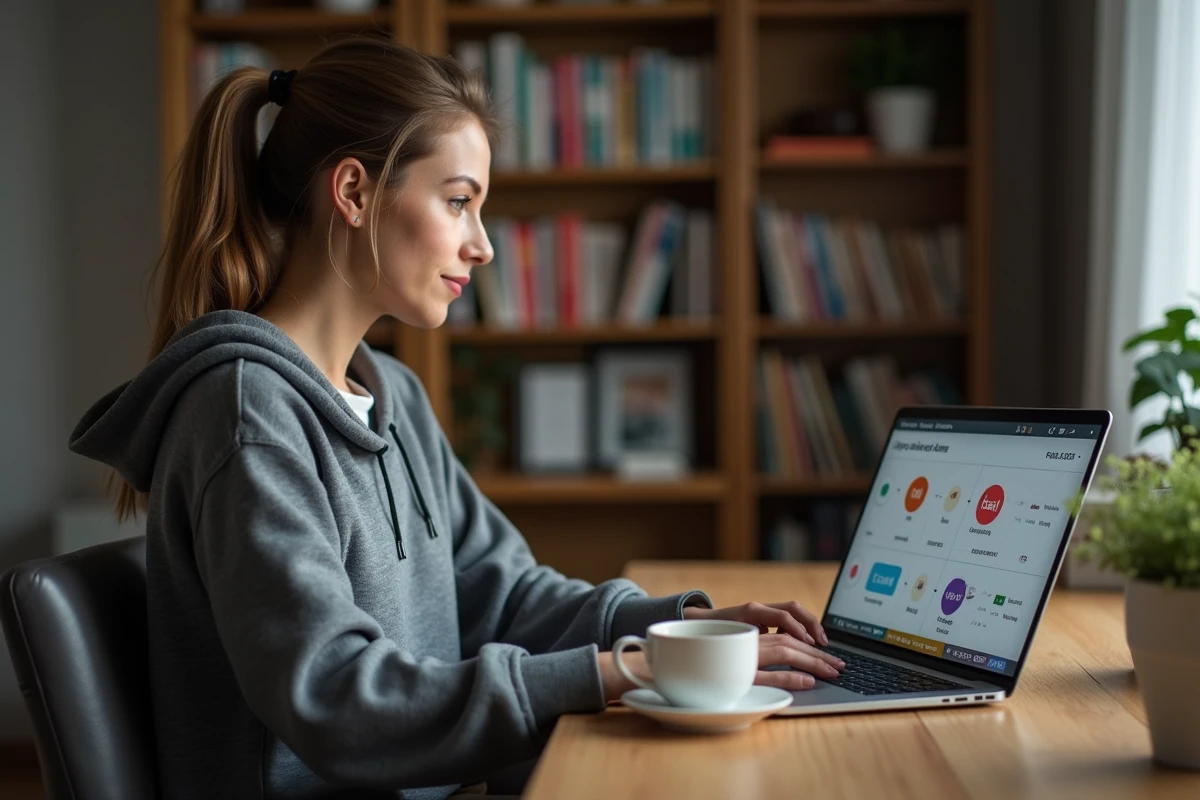
Choosing a sport relies on a balance between several personal parameters: current physical condition, logistical constraints, health goals, and sensory preferences. An online guide structures this approach by cross-referencing these criteria to direct individuals towards disciplines compatible with their daily lives, not just their momentary desires.
Travel time and logistics: a decisive filter for sporting regularity
One factor often weighs more heavily than the type of discipline in maintaining an activity over the long term: the weekly logistics related to practice.
A sport practiced forty minutes away for a round trip will be abandoned within a few months, even if it perfectly matches the practitioner’s physical profile. Recent guides, such as the one from Lacdelagimone.fr, emphasize the direct impact of proximity to home and work, flexible hours, and the possibility of practicing at home on the ability to maintain an activity throughout the entire year.
Before filtering by type of sport, it is more effective to start by mapping out actual available time slots and accessible facilities within twenty minutes. A tool like the online sportivoz guide allows for cross-referencing these practical parameters with suitable disciplines, reducing the risk of early abandonment.
Three logistical elements deserve priority evaluation:
- The number of time slots compatible with professional and family schedules, accounting for travel and preparation time (not just the duration of the session)
- The seasonality of the activity: an exclusively outdoor sport in a rainy region imposes long interruptions that disrupt regularity
- The actual recurring cost (membership, renewable equipment, travel), not just the displayed registration fee

Daily sedentariness and WHO recommendations: adapting sports to a typical day
Since the update of the World Health Organization’s recommendations in 2020, the choice of physical activity is no longer limited to the session itself. The entire day is taken into account: time spent sitting, active commuting, standing breaks.
For a teleworker who sits for six to eight hours a day, an intensive weight training session on Saturday morning does not compensate for the accumulated sedentariness over the week. WHO recommendations guide towards reducing screen time and integrating movement throughout the day, rather than a single weekly peak of effort.
This framework changes the nature of the sport to choose. A very sedentary practitioner during the week will benefit more from an activity that can be broken down into segments (daily brisk walking, commuting by bike, bodyweight exercises at home) than from a team sport requiring a fixed two-hour time slot.
Assessing one’s level of sedentariness before choosing
A simple test involves estimating the number of hours spent sitting on a normal workday, including breaks. Beyond a high threshold, favoring activities that can be broken down throughout the day produces a more lasting effect on health than a single intense practice.
Online guides that incorporate this dimension ask questions about overall lifestyle, not just sports preferences. This approach avoids recommending a technically suitable sport that is practically incompatible with real-life lifestyles.
Hybrid practices and connected tools: a new criterion for choosing a sport
The rise of smartwatches, coaching apps, and online course platforms is changing the way to choose a sport. Compatibility with digital tracking is becoming a standalone selection parameter.
Some disciplines naturally lend themselves to connected tracking: running, cycling, weight training with adaptive programs. Others, like team sports or martial arts, remain more difficult to quantify via an app.
For a practitioner who needs numerical data to stay motivated (visible progress, calories, heart rate), a sport compatible with a digital ecosystem increases the chances of regularity. Conversely, a profile seeking total disconnection will turn to activities where the smartphone stays in the locker room.
Home gym and at-home practice
The development of home gym equipment (rowers, stationary bikes, resistance bands) opens a third path between club sports and outdoor practice. The guide from Tablettesetsurvetements.fr emphasizes that the choice of a device should match the available space and real goals, not a passing trend.
A rower in a twenty-square-meter studio will end up as a coat rack. Before investing, measuring the dedicated space, checking noise nuisance for neighbors, and defining a realistic usage frequency remains the most reliable approach.

Sports profile test: what an online quiz can and cannot do
Several platforms offer quizzes to guide towards a suitable sport. The Ministry of Sports, for example, provides a questionnaire that cross-references age, physical qualities, environmental preferences, and any potential disabilities.
These tools provide a useful initial direction, but they do not replace a concrete trial period. A quiz identifies compatible families of sports, not the sport that the practitioner will stick with. The actual physical sensation (pleasure of the movement, tolerance for effort, group atmosphere) cannot be measured by a form.
The most effective approach combines an initial filtering through a quiz or online guide, followed by two to three trial sessions in the selected disciplines. Most clubs offer one or two free discovery sessions, allowing individuals to validate their feelings before committing to an annual membership.
Regularity depends as much on logistical feasibility as on the pleasure experienced during the session. Cross-referencing these two dimensions remains the most reliable way to find a sustainable activity.