
Since the reform of MaPrimeRénov’ and the launch of the Accompanied Pathway, public aid is conditioned on a global high-performance renovation (insulation, heating, ventilation treated simultaneously). This logic changes the order of priorities in any development or renovation project: the structure comes before the finish, the diagnosis before the choice of materials.
Energy audit and DPE: the technical foundation before any development
The regulatory energy audit has become mandatory for the sale of homes classified F or G in the DPE. We observe that this obligation has a direct effect on renovation projects: homeowners who were considering a simple interior rearrangement discover, with the audit in hand, that thermal bridges and the insulation of the envelope must be prioritized.
Starting renovation work (kitchen, bathroom, redistribution of partitions) without stabilizing the thermal performance of the building is like applying a coating to a damp wall. The audit identifies losses before the budget is committed elsewhere. It is a management document, not an administrative formality.
In this regard, the resources offered by Conseil en Habitat allow for cross-referencing technical recommendations with available aid schemes for a coherent renovation project.
Global energy renovation: balancing insulation, heating, and ventilation

The reform of MaPrimeRénov’ Accompanied Pathway encourages households towards a “work package” approach rather than isolated actions. Insulating walls without revising ventilation creates a risk of indoor condensation. Replacing a boiler without prior insulation oversizes the equipment compared to actual needs after the work.
We recommend a precise order of intervention:
- Insulation of the envelope (walls, roof, ground floors) to reduce heating needs at the source, systematically addressing the thermal bridges identified in the audit
- Implementation or adaptation of the ventilation system (double-flow VMC in heavy renovations, hygro-regulatable VMC in partial renovations) to ensure air quality once the building is made airtight
- Replacement or resizing of the heating system based on actual losses post-insulation, and not based on the initial state of the housing
This sequence conditions eligibility for the most advantageous aid. A project that does not respect this sequence may sometimes require redoing already completed lots.
Insulation materials: choose based on existing structures
The choice of insulation materials depends on the nature of the walls. On a stone wall of an old condominium, interior thermal insulation with wood fiber preserves the breathability of the wall. On a concrete building from the 1970s, synthetic insulation from the outside effectively addresses thermal bridges of the slab.
Asking about the material before considering the support is a common mistake. The diagnosis of the existing structure determines the choice of the insulator, not the other way around.
Interior design and well-being: integrating acoustics and natural light
Interior architects report a growing demand for spaces that integrate the mental health of occupants. This goes beyond optimized storage or a home office. Three technical parameters deserve particular attention: acoustics between rooms, the provision of natural light, and indoor air quality.
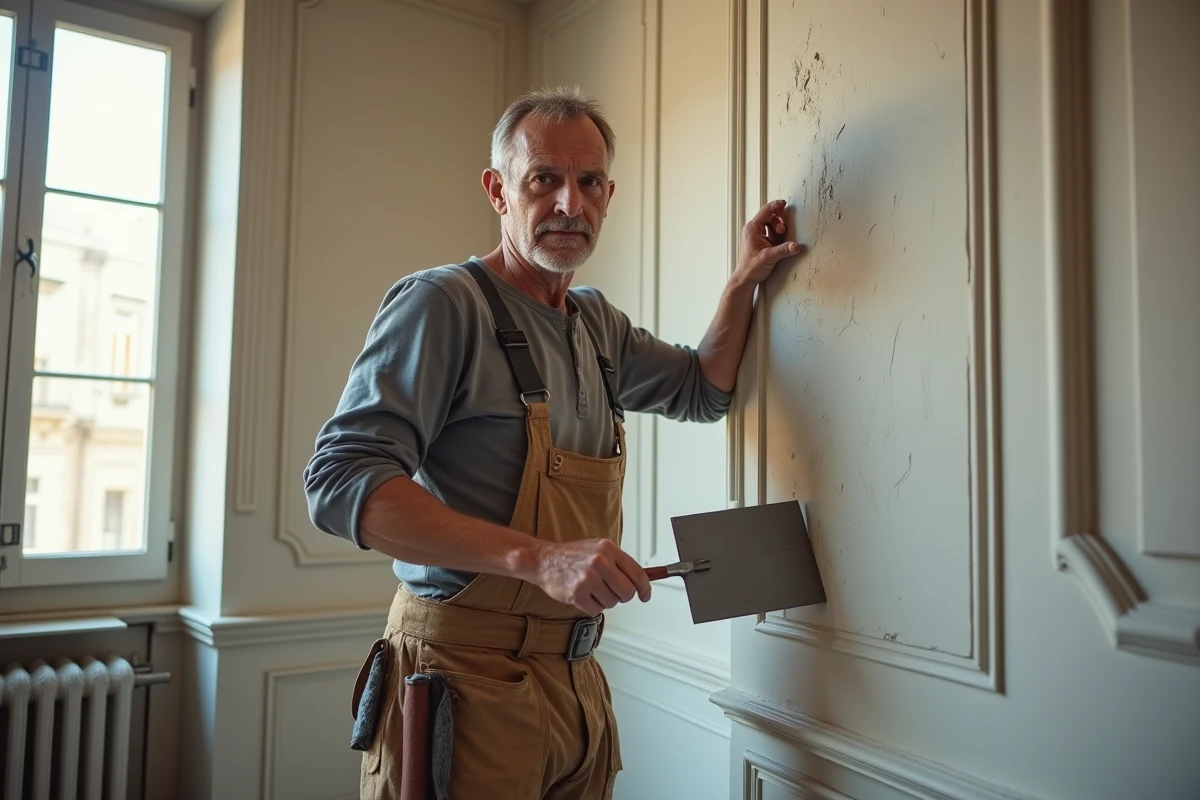
Reduction of noise disturbances between rooms
In a condominium apartment, the redistribution of partitions modifies acoustic performance. A metal-framed partition with double cladding and mineral wool offers significantly better acoustic attenuation than a simple plasterboard partition. Acoustic comfort is determined at the time of partition selection, not after installation.
Planning retreat areas (closed office, isolated reading nook) with dedicated acoustic treatment meets a real and growing need, especially in homes where telecommuting has become regular.
Natural light and volume redistribution
Maximizing natural light in a redesign project is not limited to enlarging windows. Removing an opaque partition between a blind room and a well-lit room, installing an interior glass roof, or lowering an existing window sill (subject to structural feasibility) are interventions that transform the quality of use of a home without changing its footprint.
In a single-family home, creating a skylight remains one of the interventions with the best cost/impact ratio on daily comfort.
Budget and phasing: planning a realistic renovation project
A comprehensive renovation project costs more in a single phase than a series of small projects, but it is cheaper overall. Intelligent phasing involves grouping lots that technically interact: insulation and ventilation in the first phase, then interior redistribution and finishes in the second.
- Have an energy audit and a complete survey done before consulting companies, to obtain comparable quotes based on the same specifications
- Check eligibility for aid (MaPrimeRénov’ Accompanied Pathway, energy savings certificates, local aid) before finalizing the work program, as some aids require support from an accredited operator
- Plan a budget margin for structural unforeseen events, common in older homes (presence of asbestos, condition of the framework, outdated networks)
A realistic budget includes the uncertainties of old buildings, not just the cost of visible services.
In high-performance renovation, the bathroom or kitchen comes at the end of the project, once the envelope and networks have been addressed. Respecting this order protects the property value of the home in the long term and ensures that every euro invested in development benefits from a healthy and high-performing building.