When a veterinarian announces that a dog’s spleen needs to be removed, the first reaction is often concern. The spleen filters the blood, stores immune cells, and eliminates worn-out red blood cells. Losing this organ changes certain aspects of the animal’s daily life, but a dog can absolutely live without a spleen. It is essential to know what to expect concretely and how to support the recovery.
Post-operative arrhythmias: the cardiac risk to monitor after a splenectomy
Few owners think about it, but cardiac rhythm disturbances can occur after the surgery. This risk is documented, especially when the dog has lost blood before or during the surgery, or if it was already unstable upon admission.
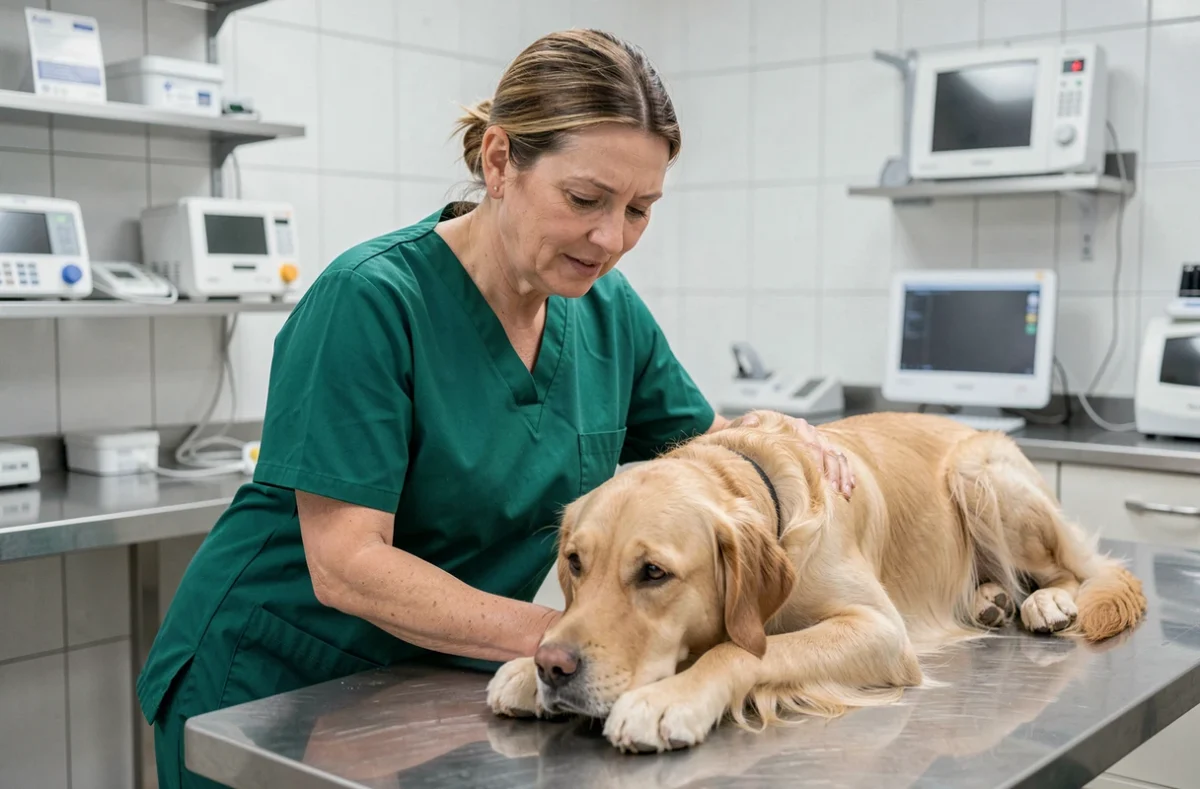
In practice, the veterinary team monitors cardiac activity and blood counts during hospitalization. If your dog is operated on in an emergency (rupture of a mass, abdominal hemorrhage), this monitoring is particularly attentive in the first hours.
You can ask the care team if cardiac monitoring is planned. This is not a sign of additional severity; it is a standard precaution in clinics that regularly perform splenectomies.
Better understanding the consequences of spleen removal in dogs allows for anticipating these steps and asking the right questions to the veterinarian before returning home.
Histopathological results of the spleen: why everything depends on the analysis
Here is a point that many owners discover after the surgery: removing the spleen does not immediately provide a diagnosis. The visual appearance of the mass, even for an experienced surgeon, is not enough to distinguish a benign lesion from a malignant tumor.
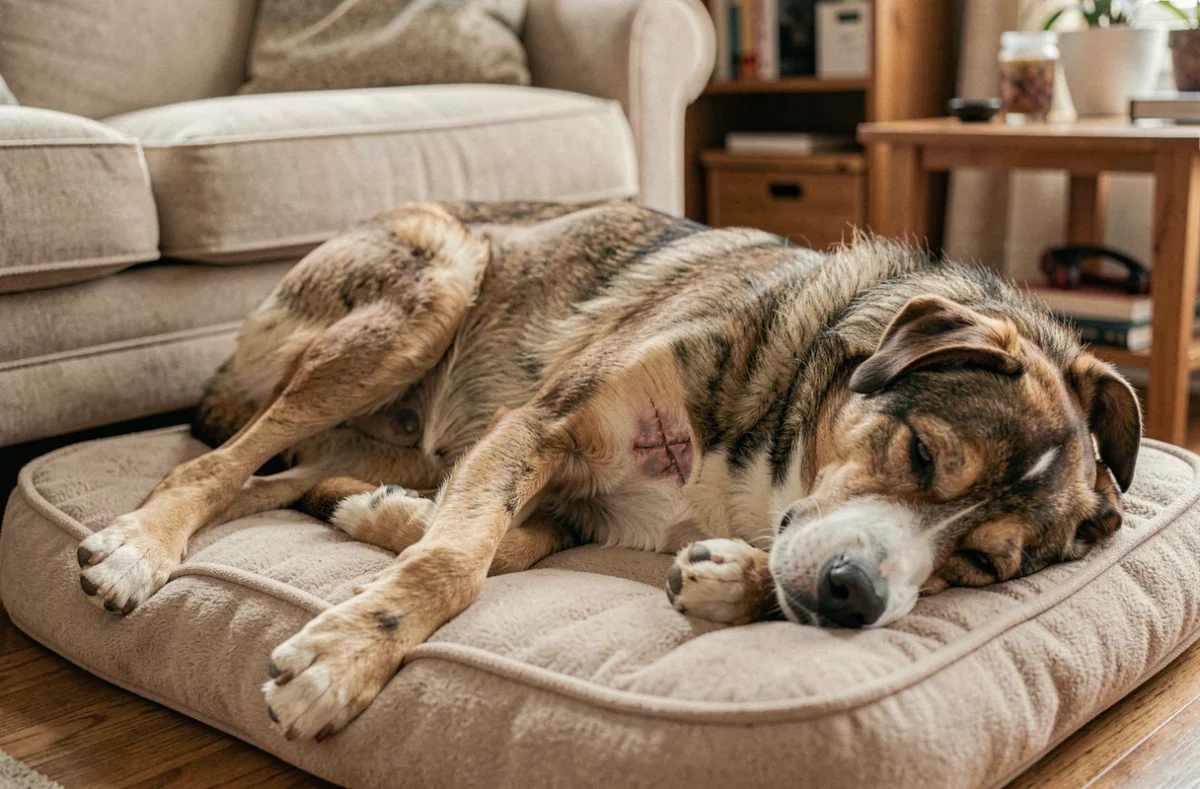
The removed organ is sent to a laboratory for histopathological examination. It is the results of this analysis, usually available after a few days, that guide the next steps.
What the diagnosis changes
- If the mass is benign (hematoma, hemangioma), the surgery may be sufficient. The dog recovers and resumes a normal life without additional treatment.
- If the mass is an hemangiosarcoma (a common malignant tumor on the spleen), the veterinarian will discuss a chemotherapy protocol. This tumor may already be disseminated at the time of diagnosis.
- If the analysis reveals a splenic lymphoma, the treatment differs again and is based on specific chemotherapy.
“Living without a spleen” and “being cured” are not the same thing. For a benign lesion, removal resolves the problem. For an hemangiosarcoma, it controls the local mass but does not necessarily treat a disease that is already widespread. Clearly ask the veterinarian to separate the prognosis of surgical recovery from the prognosis related to the underlying disease.
Dog’s immune system without a spleen: what changes in daily life
The spleen plays a role in immune defense, particularly by filtering bacteria circulating in the blood. After its removal, the dog retains a functional immune system but is slightly more vulnerable.
In practice, other organs (liver, lymph nodes, bone marrow) partially take over. The dog does not become immunocompromised in the strict sense. It remains capable of defending against most common infections.
Concrete precautions to adopt
Why monitor a splenectomized dog more closely? Because its ability to eliminate certain bacteria from the blood is reduced. Here are some practical guidelines:
- Strictly adhere to the vaccination schedule: booster vaccinations become increasingly important to compensate for the decrease in splenic filtration.
- Consult quickly in case of fever, sudden lethargy, or prolonged loss of appetite. These signs, sometimes trivial in a healthy dog, deserve quicker attention in an animal without a spleen.
- Inform any veterinarian consulted, including in emergencies or during a move, about the absence of the spleen. This information guides the choice of antibiotics if a bacterial infection is suspected.
Recovery after spleen removal: the first weeks
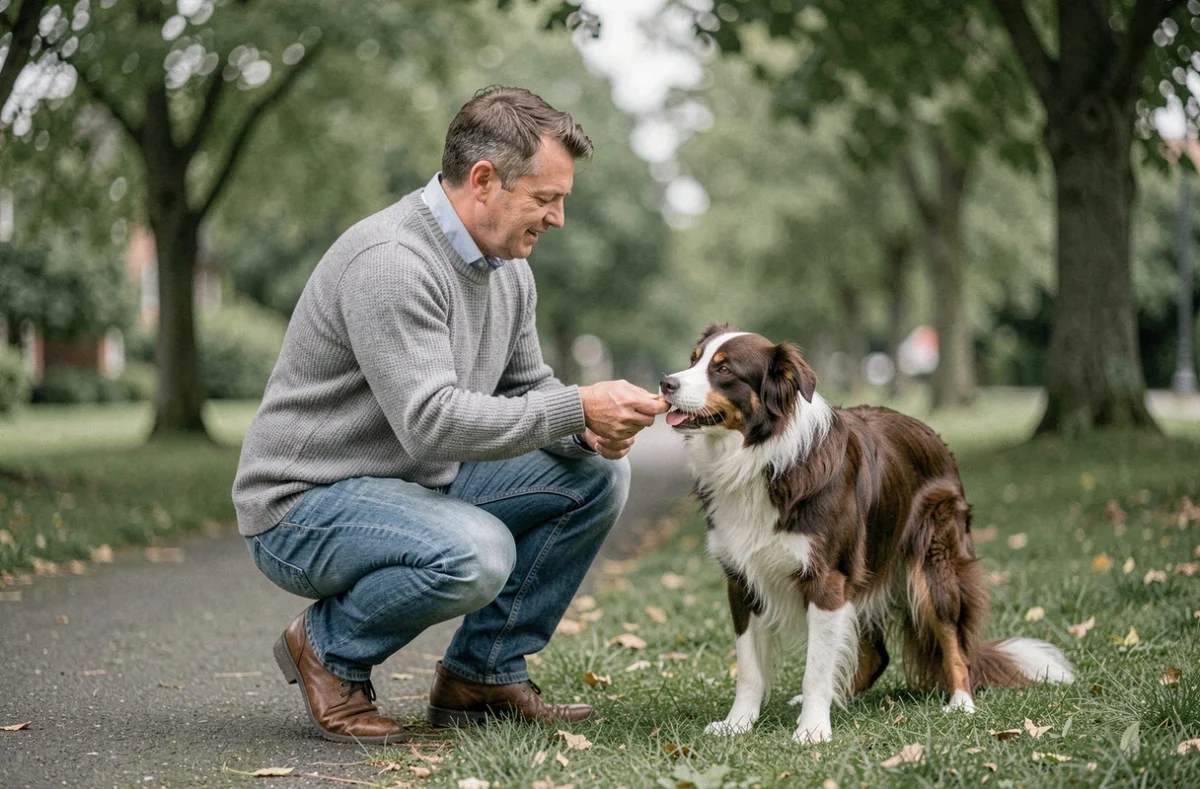
Returning home usually occurs within days following the surgery. The abdominal wound requires several weeks to heal. Most veterinarians recommend strict rest during this period.
Wearing an Elizabethan collar or protective bodysuit is necessary to prevent the dog from licking the scar. Licking is the primary cause of local complications (infection, wound dehiscence).
Regarding feeding, the dog may regain its appetite fairly quickly. Small, frequent meals (small amounts several times a day) facilitate digestion in the first days. The abdomen remains sensitive, and an overly full stomach can cause visible discomfort: the dog lies down, refuses to move, or whines when changing position.
Signs that warrant a call to the veterinarian
Pale gums, a belly that swells again, or abdominal pain that worsens instead of decreasing are warning signals. Post-operative internal bleeding remains rare but possible, especially if the spleen was highly vascularized or if a tumor weakened the surrounding tissues.
A veterinary follow-up is generally scheduled to check the healing, monitor blood counts, and, if necessary, communicate the results of the histopathological analysis. This appointment is also a good time to adjust the treatment plan if a malignant tumor is confirmed.
The majority of dogs operated on for a benign mass regain their usual energy within a few weeks. For those with an hemangiosarcoma, the follow-up is ongoing. In both cases, a dog without a spleen remains a companion capable of fully enjoying its walks, meals, and naps in the sun.